A collector’s mindset first
Japan is a wonderful place to collect Pokémon cards: Japanese-language sets, store-exclusive promotional items and a huge market for single cards. This guide is about collecting for enjoyment. Prices of individual cards rise and fall, and nothing here is advice to buy cards as an investment. Buy what you love, at prices you are comfortable with.
Where to buy
| Place | What you find | Notes |
|---|---|---|
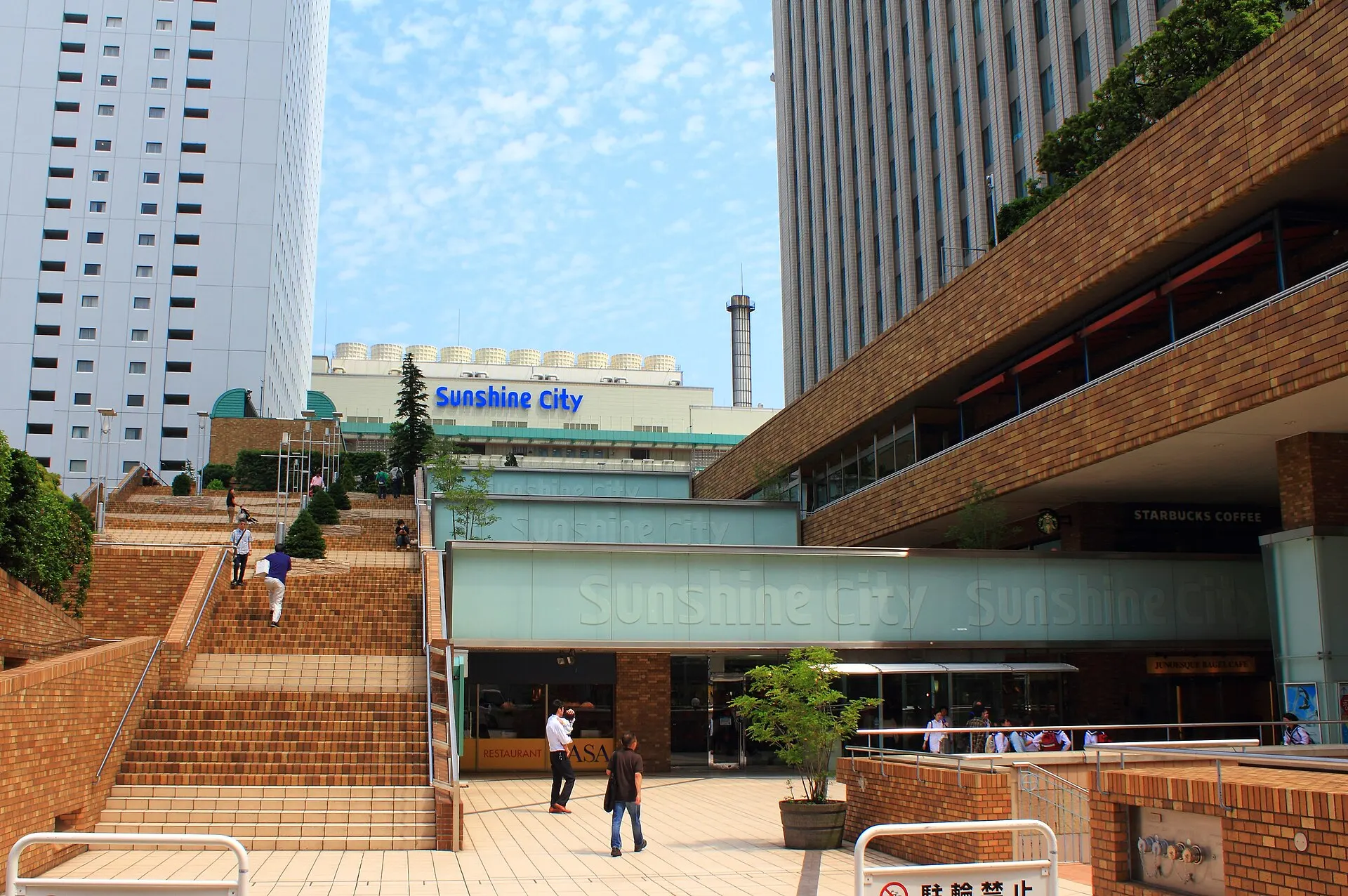
| Pokémon Center Mega Tokyo (Sunshine City, Ikebukuro) | The full official range of goods, card products and store items | One of the largest official stores; busy on weekends |
| Other Pokémon Centers in Tokyo | Official goods and card products | Branches in central areas such as Shibuya and Nihonbashi |
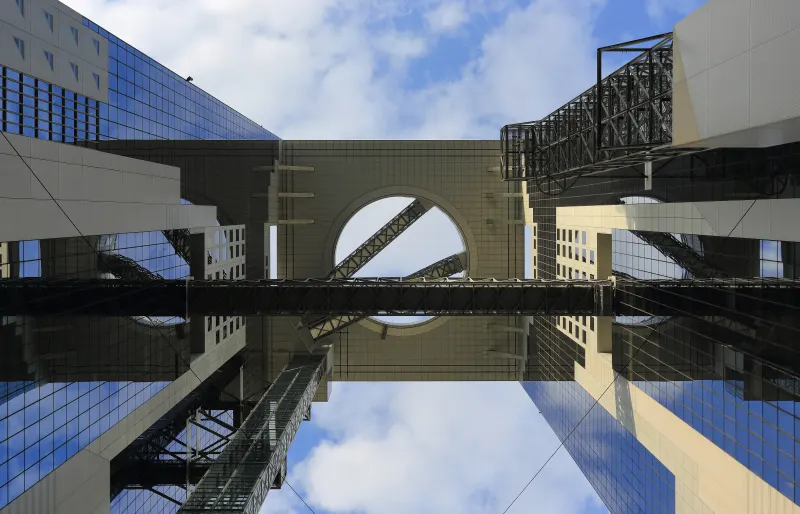
| Pokémon Centers in Osaka | Official goods and card products | In department stores in Umeda and Shinsaibashi |
| Pokémon Center Kyoto | Official goods and card products | Downtown, an easy add-on to a Kyoto day |
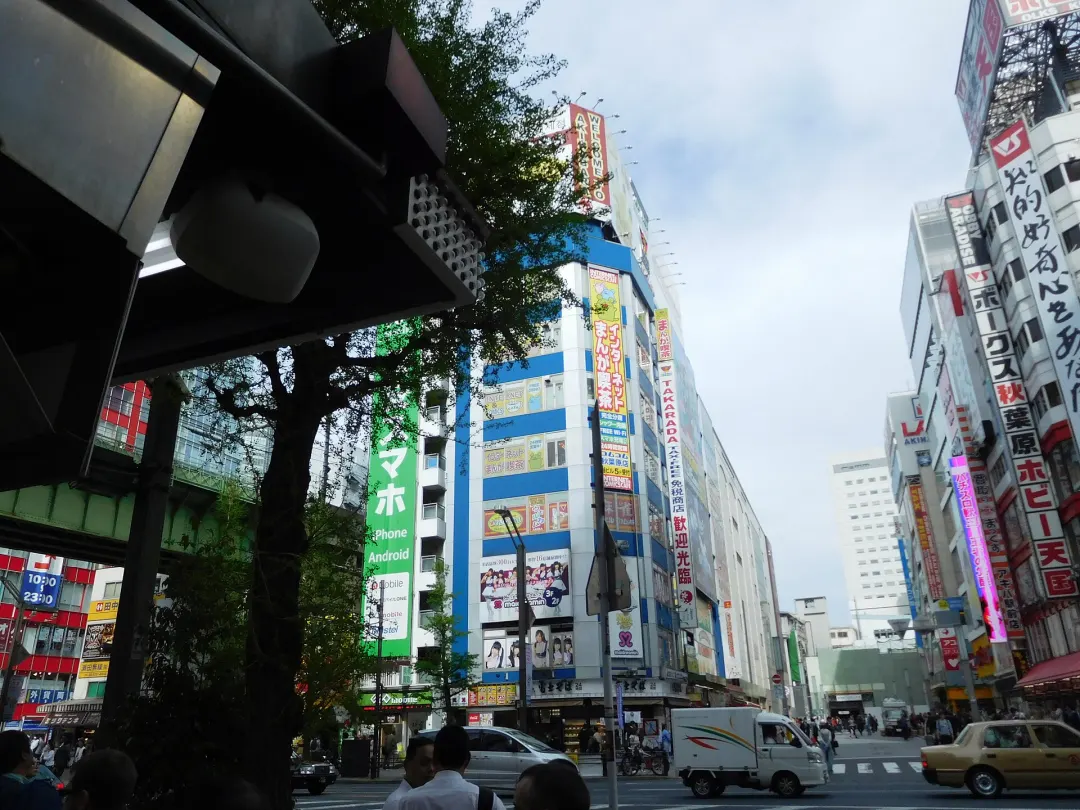
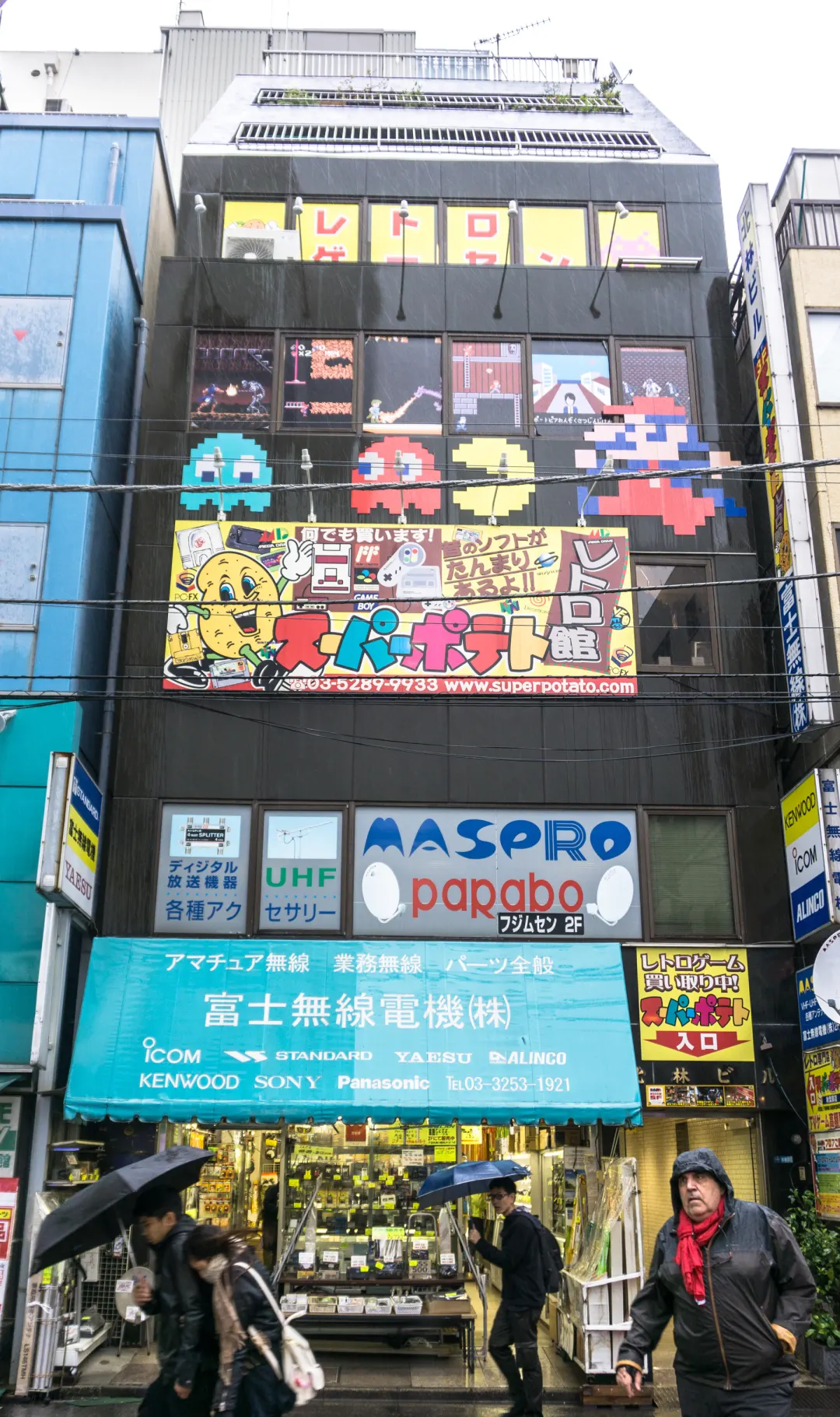
| Akihabara card shops | Single cards, sealed products, supplies | Dozens of shops, many on upper floors |
| Nipponbashi (Den Den Town), Osaka | Single cards, sealed products, supplies | Card shops clustered near Sakaisuji |
| Large electronics and toy stores | Sealed products when in stock | Stock varies by day; limits may apply |
Store locations and floor layouts change from time to time; Mario checks the current details before your day.
How buying new sets works
- Release days are busy. Popular new sets often sell out on the day of release, and stores may use lotteries, numbered tickets or purchase limits per person.
- Purchase limits are common. Many stores limit boxes or packs per customer, and some require a store membership or app for certain sales.
- Restocks are unpredictable. Mario keeps an eye on store announcements, which are usually in Japanese.
- Japanese-language cards are fully playable in Japan’s tournaments; check local rules at home if you plan to play competitively.
Buying single cards
Specialist shops display singles in glass cases or binders, sorted by set and rarity, with prices clearly labeled. Condition is described in Japanese, often with letter grades or notes about scratches, whitening or print lines. Some shops also sell graded cards. Mario reads every note, compares a few shops before you commit, and tells you honestly when a price looks high.
- Ask before handling cards outside their sleeves.
- Most shops accept cards, but some smaller ones prefer cash.
- Many shops buy cards too; buying and selling desks are separate.
Bringing cards home
- Keep valuable cards in sleeves and top loaders, in your hand luggage.
- Sealed boxes travel well in a padded bag.
- Check your home country’s customs allowances for larger purchases.
Tax-free shopping
Visitors can shop tax-free on purchases of ¥5,000 or more (before tax) per store per day at participating shops; bring your passport, not a photocopy. Japan has been moving its tax-free system to a refund model from November 2026, in which tax is charged at the till and refunded after customs confirms the goods leave Japan with you. Ask each store how it handles tax-free sales, and keep tax-free purchases unopened and with you until departure.
Not every card shop is registered for tax-free sales, especially smaller ones. Department-store Pokémon Centers and large electronics stores usually are.
A sample card-collector day in Osaka
- 10:30 The Pokémon Center in Umeda as it opens.
- 12:00 Lunch, then the subway to Nipponbashi.
- 13:00 Den Den Town’s card shops: singles, sealed products and supplies.
- 15:30 Shinsaibashi’s Pokémon Center and the Pokémon Café, if you have a reservation.
- 17:00 Dotonbori for street food on the way back.
In Tokyo, the equivalent day pairs Akihabara with Ikebukuro’s Sunshine City. The Pokémon Cafés in Tokyo and Osaka take reservations online in advance and fill quickly.
Why go with Mario
Mario is a genuine fan of Pokémon and its trading card game, as well as a professional private guide. He knows the difference between sets, understands the Japanese condition notes, and enjoys the hunt as much as you do. He is based in Kansai, so Osaka and Kyoto days carry no guide travel costs; for Tokyo, his train fare (and hotel if overnight) is added at cost. Full day ¥69,600, half day ¥45,600, per private party.