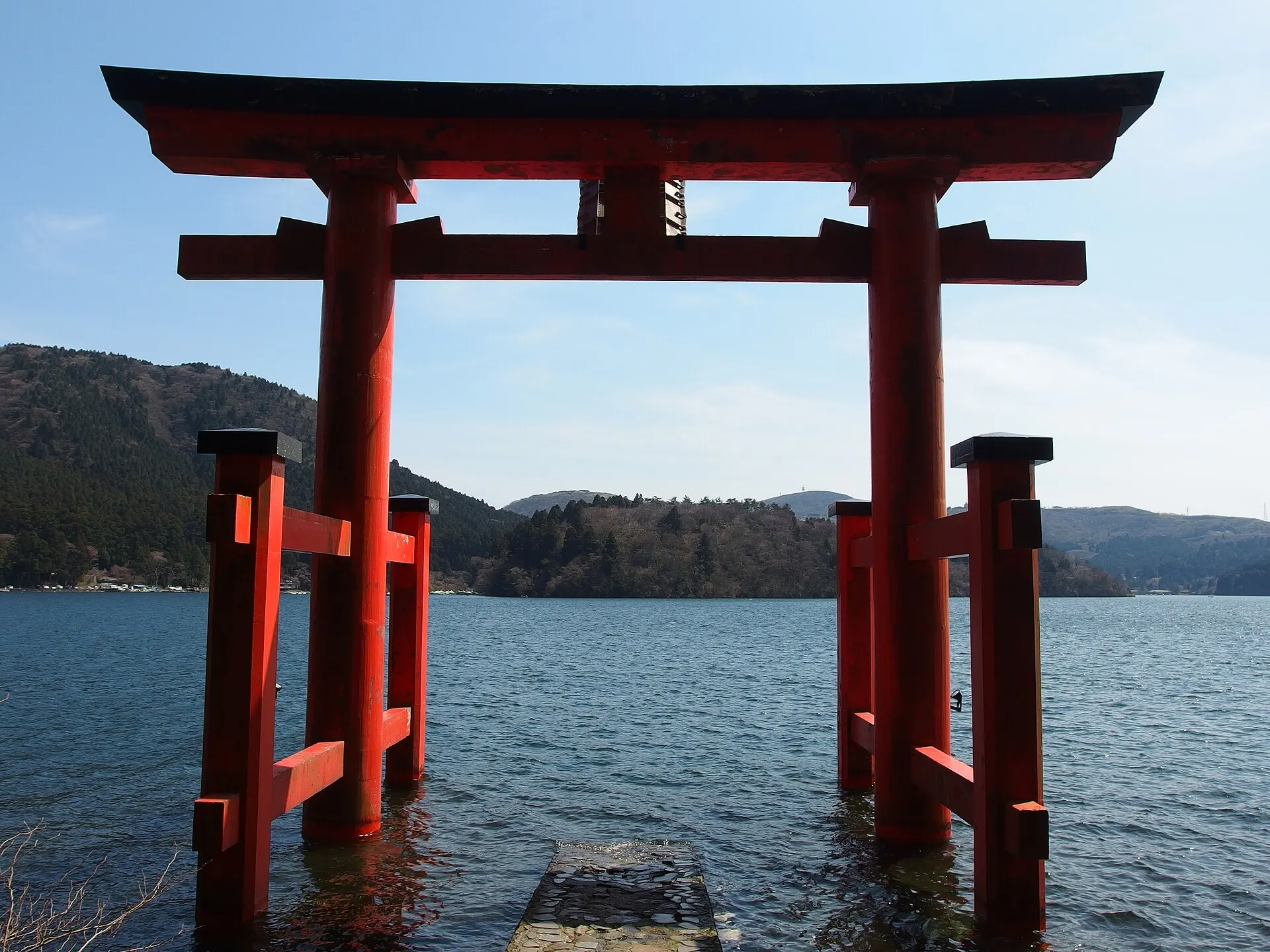

Why Japan suits a honeymoon
Japan combines a feeling of discovery with a very high level of comfort. It is safe, clean and precise, and its most memorable moments are quiet ones: a lantern-lit lane in Gion, steam rising from a private bath in Hakone, the torii of Miyajima standing in the sea at sunset. It works in every season, and the food, from sushi counters to kaiseki, is an experience in itself.
What can make a honeymoon less romantic is logistics: queues at famous sights, restaurants that only take reservations in Japanese, and long days spent working out trains. That is where a private guide earns their place.
A romantic route for two weeks
| Nights | Where | Moments to plan |
|---|---|---|
| 3–4 | Tokyo | An omakase sushi counter; Meiji Jingu at sunrise; the city lights from above |
| 1–2 | Hakone | A ryokan with a private onsen and in-room kaiseki dinner; Lake Ashi and its torii |
| 4 | Kyoto | Fushimi Inari at dawn; a private tea ceremony; Gion at dusk; a garden in Arashiyama |
| 1 | Miyajima or Hiroshima | Itsukushima Shrine at high tide and the torii at sunset |
| 2 | Osaka | A relaxed finale; Kobe beef in Kobe; easy departure from KIX |
Miyajima is usually visited as a day trip together with Hiroshima, and that is how Mario guides it. For a honeymoon, some couples add a night on the island after the day visitors leave, so the evening and early morning feel almost private.
Experiences worth booking early
- A ryokan night. The best rooms with private open-air baths book months ahead, especially in spring and autumn.
- Kaiseki dinner. A seasonal multi-course meal served in a private room. Many restaurants accept reservations only in Japanese.
- Tea ceremony. A private session in a tatami room is more intimate than a group class and leaves time for questions.
- Kimono photography. A morning walk through Higashiyama in kimono, before the lanes fill.
- A sushi counter. Eight to twelve seats, the chef working in front of you; often booked weeks ahead.
Where a private guide helps most
Couples rarely want a guide every day. The usual pattern is three to five guided days: the first full day in Tokyo, the Mount Fuji or Hakone day, a day in Kyoto, and Hiroshima and Miyajima. On the other days you explore on your own, with the restaurants and experiences already booked and a clear plan in hand.
Mario is discreet and flexible. He can lead from the front on a busy day, then step back to let you enjoy a garden or a meal on your own, and he is a reliable photographer when you want pictures of the two of you. Because he is based in Kansai and married into a Japanese family, he knows how to explain an occasion such as a honeymoon to a ryokan or a restaurant, in Japanese.
When to go
- Late March to early April: cherry blossoms in Tokyo and Kyoto. Unforgettable, but the busiest weeks of the year.
- Mid-November to early December: autumn color in Kyoto, crisp weather and clear views of Fuji.
- January and February: cold, quiet and often very clear. Ideal for ryokan and onsen.
- Avoid if you can: Golden Week (29 April to 5 May), Obon in mid-August and the New Year holidays, when Japanese travelers fill trains and hotels.
More detail in the best time to visit Japan.
Cost
Mario’s rates are per private party: half day ¥45,600, full day ¥69,600, long day trips from ¥84,000. For a honeymoon with four guided days, for example two full days and two long day trips, the guide fee would be ¥307,200 and up. Transport, admissions and meals are paid separately, at cost.