Where to buy
| Store or area | New or used | Why go |
|---|---|---|
| Map Camera, Shinjuku | Mostly used, also new | A specialist with a large, well-graded used stock across several floors |
| Yodobashi Camera, Shinjuku West Exit | New | Flagship store spread over several buildings; huge choice of bodies, lenses and accessories |
| Bic Camera | New | Large stores in Tokyo, Osaka and Kyoto, often next to major stations |
| Fujiya Camera, Nakano | Used and new | Known for used lenses, accessories and a “junk” corner for repair projects |
| Shinjuku’s smaller used shops | Used, vintage film | Film cameras and older lenses around the West Exit |
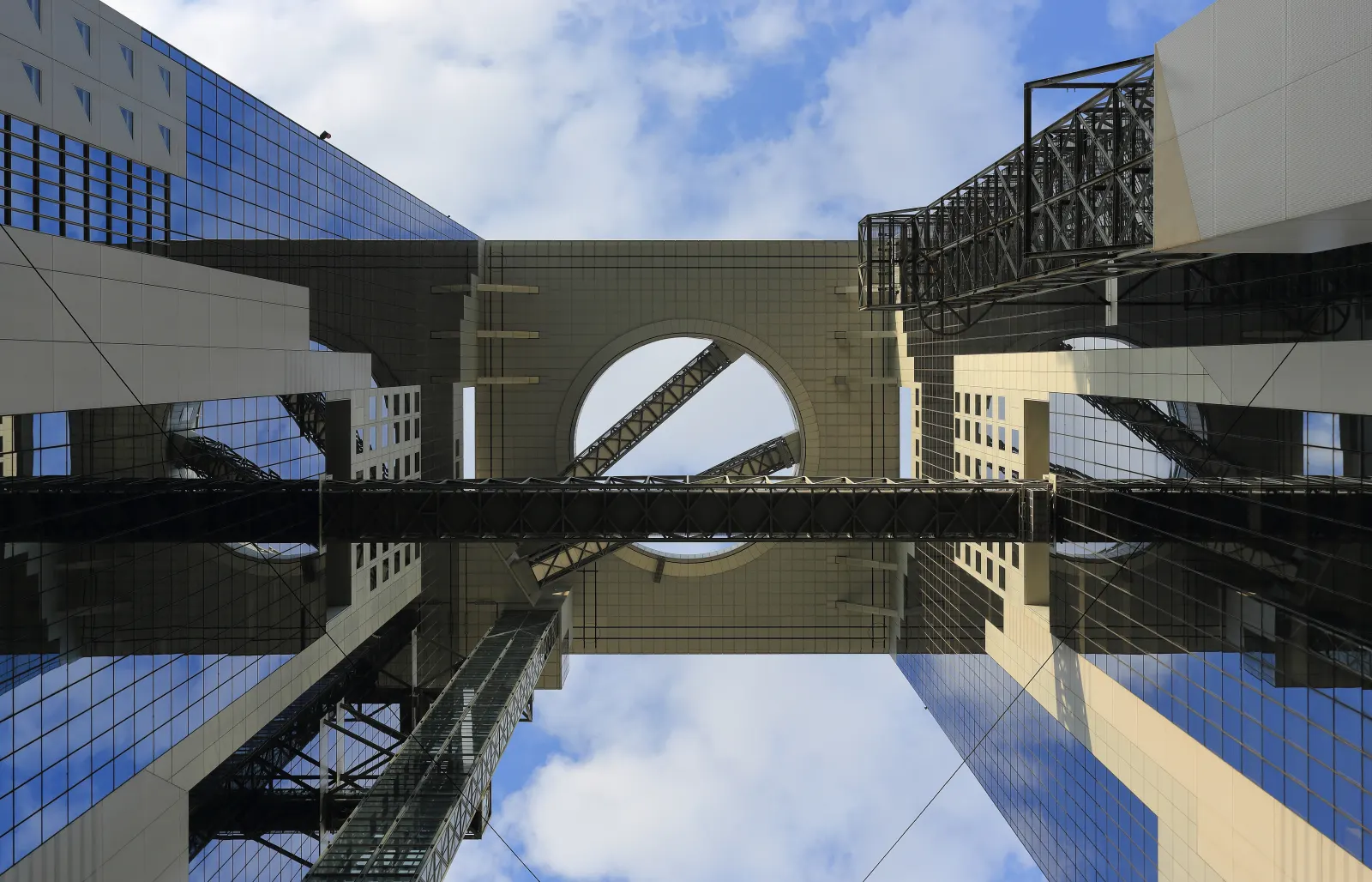
| Yodobashi Umeda, Osaka | New | One of the largest electronics stores in Japan, connected to Osaka Station |
| Nipponbashi, Osaka | Used and parts | Den Den Town’s electronics and camera shops |
Store floors and stock change often; Mario checks the current situation and maps a route before your day.
Buying used: what Japanese condition grades mean
Japan’s used-camera market is known for honest grading and careful handling. Each item usually carries a card with its condition, accessories included and the store’s own warranty period. The grading words vary by store but follow a similar logic, from new-old-stock and mint, through excellent and good, to items sold as-is.
- Read the notes. Haze, fungus, scratches and dust in lenses, shutter counts and battery health are listed in Japanese. Mario translates every line.
- Ask to test. Most shops let you mount a lens on your body or fire the shutter at the counter.
- Check the store warranty. Used gear from good shops often carries a short in-store warranty, usable only in Japan.
Buying new: warranty and language
- Warranty: new cameras sold in Japan usually come with a Japanese manufacturer warranty that may not be honored abroad. Check before you buy; some stores offer their own extended coverage, again usually for Japan only.
- Menu language: most current interchangeable-lens cameras offer English menus, but some models made for the Japanese market do not. Ask staff to switch the language on the display model before you pay.
- Chargers: most battery chargers accept 100–240 V; check the label.
- Prices: large stores often add loyalty points; points are mainly useful if you return to the same chain during your trip.
Power and plugs
- Voltage: Japan uses 100 V, at 50 Hz in eastern Japan (Tokyo) and 60 Hz in western Japan (Osaka, Kyoto).
- Plugs: type A, two flat pins, the same shape as in the United States. Visitors from the UK, Australia and New Zealand need an adapter.
- Modern chargers for phones, laptops and camera batteries are usually rated 100–240 V and work worldwide; check the label.
- Older devices built for 100 V only often run on US 120 V outlets, but a step-down transformer is the safe choice; on 230–240 V (UK, Australia, New Zealand) a step-down transformer is essential.
Tax-free shopping
Visitors can shop tax-free on purchases of ¥5,000 or more (before tax) per store per day at participating shops; bring your passport, not a photocopy. Japan has been moving its tax-free system to a refund model from November 2026, in which tax is charged at the till and refunded after customs confirms the goods leave Japan with you. Ask each store how it handles tax-free sales, and keep tax-free purchases unopened and with you until departure.
A sample camera day in Tokyo
- 10:30 Shinjuku West Exit: Map Camera’s used floors, then Yodobashi for new bodies and lenses.
- 13:00 Lunch in Shinjuku.
- 14:00 The Chuo line to Nakano: Fujiya Camera, then Nakano Broadway if you also collect anime goods.
- 16:30 A photo walk to test your new lens: Shinjuku Gyoen in the afternoon light, or the lanes of Shibuya at dusk.
A sample camera day in Osaka
- 10:00 Yodobashi Umeda for new equipment.
- 12:00 Lunch, then the subway to Nipponbashi.
- 13:00 Den Den Town’s electronics and used camera shops.
- 15:30 A photo walk in Dotonbori and Shinsekai as the neon comes on.
Why go with Mario
Mario loves cameras and electronics, and enjoys comparing lenses as much as you do. He reads the Japanese condition notes and warranty cards, asks staff the technical questions, and keeps track of prices across shops so you can decide calmly. He is based in Kansai: Osaka and Kyoto days carry no guide travel cost; for Tokyo, his train fare (and hotel if overnight) is added at cost. Half day ¥45,600, full day ¥69,600, per private party.