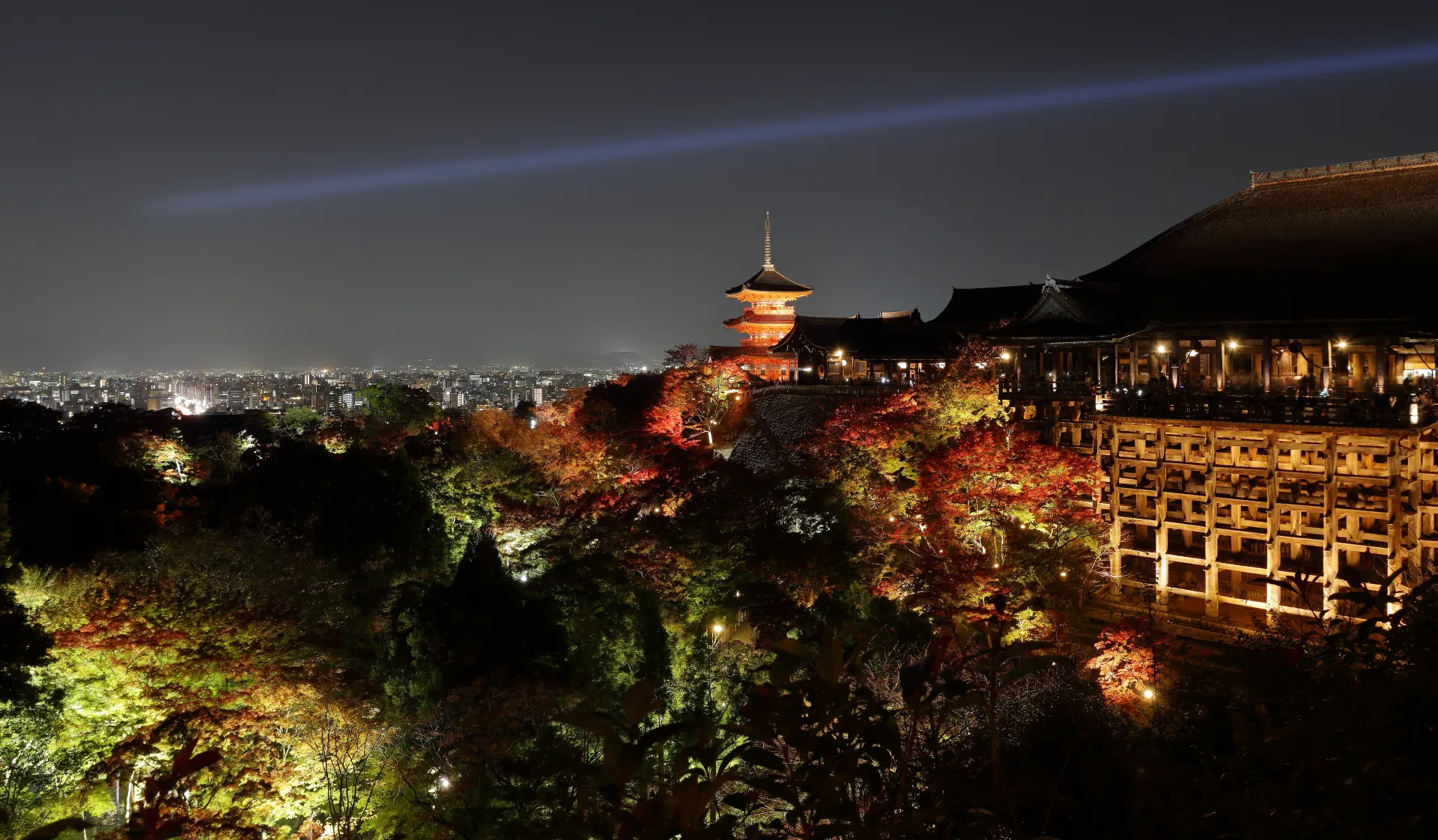

Luxury in Japan is measured in minutes, not marble
Japan already does service beautifully. Trains leave on time, hotels are immaculate, and restaurants take hospitality seriously. What travelers struggle with is not comfort but friction: a timetable written only in Japanese, a temple swamped at 10:30 that was empty at 7:30, a restaurant that accepts reservations only by phone, in Japanese, three weeks in advance. The difference between a good trip and an extraordinary one is usually made in those details.
A private guide who works at the top end removes the friction. The obvious part is the storytelling at each site. The less visible part, and the part that matters more, is the planning: knowing that Fushimi Inari never closes and is best at first light, that the Imperial Palace East Gardens are usually closed on Mondays and Fridays, that the best counters in Tokyo seat only eight to twelve guests, and that the Peace Memorial Museum in Hiroshima deserves a slower afternoon afterward.
What a luxury private guide actually does
- Designs the day around timing. The most beautiful places in Japan are crowded at predictable hours. Early starts, reversed routes and well-chosen lunch times give you the quiet versions.
- Books what visitors cannot. Many kaiseki restaurants, sushi counters, tea ceremony rooms, craft workshops and ryokan prefer bookings in Japanese. A guide who reserves for you, explains allergies and preferences to the kitchen, and confirms the day before, opens doors that online platforms do not.
- Coordinates transport seamlessly. Reserved shinkansen seats, the right station exit, a car with driver when it saves time, and luggage forwarding so that you travel with a light bag between cities.
- Adapts on the spot. Rain in Arashiyama, cloud over Mount Fuji, a child who needs a slower afternoon: a good guide has an alternative ready and makes the change without fuss.
- Explains, not just describes. Etiquette at a shrine, why shoes come off at certain thresholds, how a tea ceremony unfolds. Context makes Japan feel less like a museum and more like a place you understand.
Car with driver or trains?
Japan’s trains are excellent, and for many routes, such as Tokyo to Kyoto by shinkansen, they are faster than any car. A private car with driver is worth it inside cities on full days with several distant sights, for families with young children or grandparents, for guests who prefer less walking, and for areas with sparse public transport, such as the Fuji Five Lakes. The best plans usually mix both: the shinkansen between cities, a car within them.
| Situation | Better choice | Why |
|---|---|---|
| Tokyo to Kyoto or Osaka | Shinkansen | About 2 h 15 min to Kyoto; no traffic |
| Full day across Kyoto | Car with driver | Fushimi, Higashiyama and Arashiyama are far apart and buses are slow |
| Mount Fuji from Tokyo | Car with driver or limited express | A car reaches viewpoints the train does not |
| Hiroshima and Miyajima | Shinkansen, train and ferry | Fastest and simplest from Kyoto or Osaka |
| Nikko from Tokyo | Limited express, car on arrival | Comfortable train, then a car for the lake and falls |
How to choose a private guide in Japan
- Ask how they plan, not only what they show. A strong guide will ask about your pace, mobility, food preferences and what you have already booked, then propose a day with times.
- Check who makes the reservations. If you are expected to book restaurants and experiences yourself, you lose much of the value.
- Look for clear pricing. Rates should be per private party, with what is included and excluded written down.
- Read the cancellation terms. Flexibility matters in a country of typhoons and changing forecasts.
- Talk to the guide directly. A short conversation tells you more about rapport than any profile.
Where Mario fits
Mario has been a professional private tour guide for English-speaking travelers for four years, and he also speaks Spanish. He is based in Kansai and married into a Japanese family, which gives him an everyday understanding of etiquette and the confidence to handle Japanese-only bookings. His strength is organization: he plans the whole day or the whole trip, times trains and transfers, reserves restaurants and experiences in Japanese, and adapts on the spot. Day tours in Kyoto, Osaka and Nara are his home ground; elsewhere he travels with you, and multi-day journeys across Japan are his favorite way to guide.
Rates and what is included
Half day (4 hours) ¥45,600; full day (8 hours) ¥69,600; long day trips (Hiroshima and Miyajima, Mount Fuji, Nikko from Tokyo, Koyasan) from ¥84,000; extra hours ¥7,200. All prices are per private party, not per person.
- Included: Mario’s time for your private party, planning before the trip, all reservations made in Japanese, live coordination on the day.
- Paid separately, at cost: trains and taxis, admissions, meals and tea ceremony fees, and any private car with driver (arranged on request).
- Multi-day trips: quoted on request; Mario’s own travel and hotel nights are charged at cost.
- Cancellation: free up to 72 hours before the day.