
Why Japan suits older travelers
Japan is safe, clean and courteous. Public toilets are everywhere and well kept, trains are punctual, and staff in hotels, shops and stations are patient and helpful. What tires visitors out is usually not the sightseeing itself but the in-between: long walks inside huge stations, stairs at older temples, heavy suitcases on trains, and signs and menus in Japanese. A well-planned trip removes most of that.
What Mario handles, from start to finish
- The itinerary. Fewer bases, fewer hotel changes, and days with a realistic number of sights and long lunches.
- Hotel advice. Locations close to stations or taxi ranks, rooms with beds rather than futons if you prefer, and quiet floors.
- Trains. Reserved seats on every shinkansen and limited express, booked at times that avoid the morning rush.
- Luggage forwarding. Suitcases sent from hotel to hotel by takkyubin, so you travel with a light bag.
- Restaurants. Bookings in Japanese, with tables and chairs instead of floor seating, and dietary needs explained in advance, including halal, vegetarian and allergies.
- The days themselves. Hotel lobby pick-up, taxis or a car with driver between sights, benches and café stops planned, and a slower plan B ready.
- Everyday help. IC cards set up, cash and ATMs explained, and a calm person to ask whenever something is unclear.
Pace and mobility
| Challenge | How Mario plans around it |
|---|---|
| Stairs at stations | Routes via elevators and the right exits; Mario checks them in advance |
| Long walks between sights | Taxis or a car with driver (paid at cost), drop-off close to entrances |
| Hilly temples | Choosing temples with gentler access, or the lower parts of steep sites such as Kiyomizu-dera |
| Crowds | Early starts and quieter alternatives to the busiest spots |
| Fatigue | Half days, long lunches, and rest afternoons between guided days |
Some historic sites, such as castle keeps and certain temple halls, have steep wooden stairs and no elevator. Mario tells you in advance which ones, and suggests what to enjoy from the grounds instead.
Trains made easy
- Reserved seats in every car of the journey, booked ahead, with time to reach the platform without hurrying.
- Green Car (first class) seats are wider and quieter, and worth considering on longer trips.
- Station assistance is available for travelers who need help; it is best arranged in advance.
- IC cards loaded and ready, so local trains and buses need no tickets.
Ryokan: what to expect
A night in a traditional ryokan is one of the highlights of Japan, but some details matter more with age. Many rooms have futons on tatami and low tables with floor cushions. Mario helps you choose ryokan with Western beds or raised futons, chairs at the table, and rooms with a private bath, or dinners served at a dining room table rather than on the floor. Public baths can be hot; it is wise to enter slowly and not stay in too long.
Health and practical matters
- Travel insurance: make sure you have comprehensive cover, including medical treatment and evacuation, before you travel. Medical care in Japan is excellent but can be expensive for visitors.
- Medicines: bring enough for the whole trip in original packaging, with a copy of prescriptions. Some medicines need advance permission to bring into Japan; check the official rules before you fly.
- Pharmacies are common in cities; staff may speak limited English, and Mario can help explain what you need.
- Clinics and hospitals: in an emergency call 119. For non-urgent care, your hotel can recommend a clinic; Mario can help with communication.
- Weather: summers are hot and humid; spring and autumn are the most comfortable seasons. See the best time to visit Japan.
History and shopping, handled too
- The stories behind each place. Emperors, samurai and shoguns, told simply at each temple and castle. See Japan history private tour.
- Shopping without effort. What to buy and where, tax-free paperwork and shipping home. See shopping in Japan with a guide.
- Every transfer. Reserved seats, luggage, taxis and elevators. See getting around Japan without stress.
A gentle day in Kyoto
- 09:00 Hotel lobby pick-up by car with driver.
- 09:30 Kinkaku-ji, the Golden Pavilion, on flat garden paths.
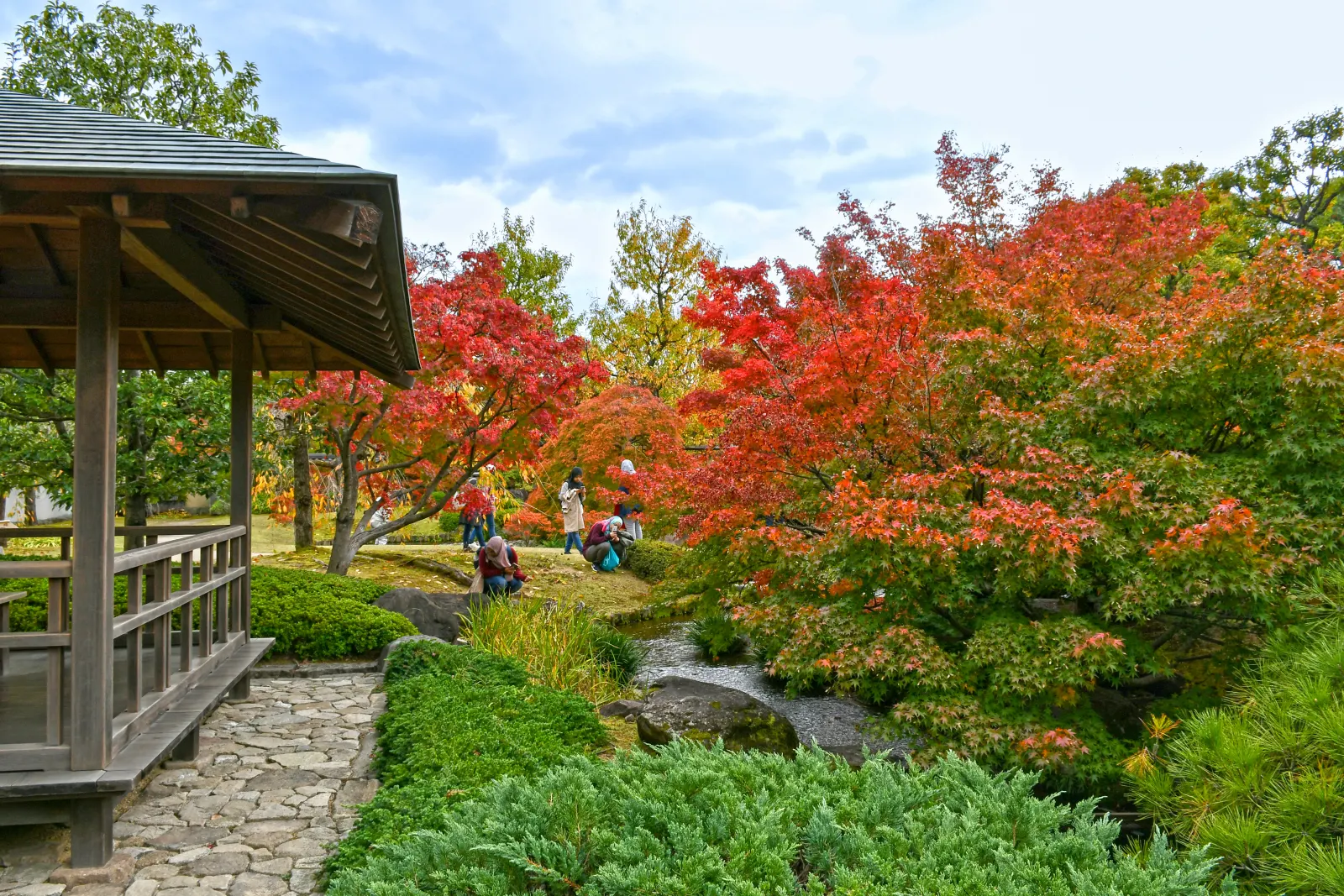
- 11:00 A short drive to a quiet garden with benches and a tea house.
- 12:30 Lunch at a table, reserved in Japanese.
- 14:00 Gion by car, a short walk along Shirakawa, then back to the hotel to rest by 15:30.
Rates
Half day (4 hours) ¥45,600; full day (8 hours) ¥69,600; per private party. Trip planning is part of booking Mario’s guided days. Outside Kansai, his train fare (and hotel if overnight) is added at cost; for a whole journey together, see multi-day journeys with Mario. Cars, trains, admissions and meals are paid at cost.