
Why Japan works so well for families
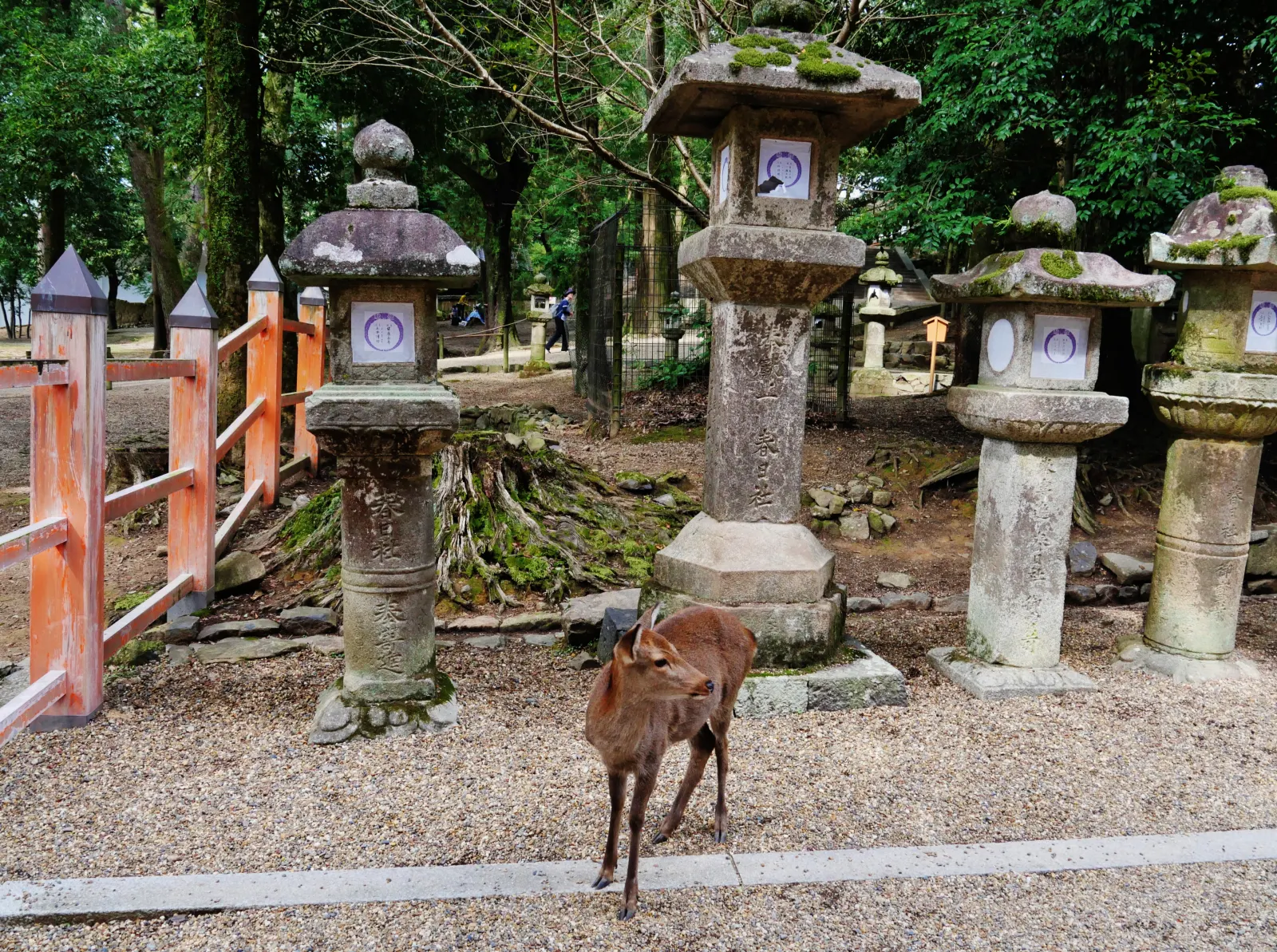
Children are welcomed almost everywhere in Japan. Streets are safe, public toilets are clean and easy to find, convenience stores sell healthy snacks around the clock, and trains are punctual and spotless. The things that most impress young travelers are often simple: feeding the deer in Nara, climbing the red gates of Fushimi Inari, watching the shinkansen glide into a station, choosing sweets at a department store food hall.
The challenges are mostly practical. Distances inside cities can be long for small legs, station transfers involve stairs, and family-friendly restaurants that can seat six together at lunchtime need booking. A private guide plans around all of this.
How a family day with Mario is different
- Shorter blocks, more breaks. Sightseeing in 60 to 90 minute segments, with snacks, playgrounds and rest built in.
- Stories for children. Samurai at Himeji Castle, shoguns at Nikko, the guardian foxes of Fushimi Inari: context that holds a child’s attention.
- Food everyone will eat. Mario books restaurants in Japanese and explains allergies and preferences to the kitchen, from tempura and udon to sushi made to order.
- Car or train, whichever is easier. A car with driver, arranged on request, keeps strollers and bags in one place; trains can be part of the fun.
- A plan B ready. Rain, heat or fatigue: Mario adapts on the spot.
Family favorites by region
| Region | Children love | Tip |
|---|---|---|
| Nara | Feeding the deer; the giant Buddha | Hold deer crackers high and show empty hands when finished |
| Kyoto | Fushimi Inari’s gates; Arashiyama’s bamboo; kimono rental | Go early, before the crowds and the heat |
| Tokyo | Bullet trains; Skytree; the Ghibli Museum; Inokashira Park | Ghibli tickets are sold in advance and sell out |
| Osaka | Osaka Castle; street food in Dotonbori; Kuromon Market | Visit Kuromon late morning |
| Himeji and Kobe | Climbing a real samurai castle | Shoes come off in the keep; the stairs are steep |
| Hiroshima and Miyajima | The ferry; deer on the island; the torii in the sea | Pace the museum to the children’s ages |
A gentle ten-day family route
- Days 1–4, Tokyo: a guided first day to learn the trains, then a mix of parks, museums and neighborhoods.
- Day 5, Mount Fuji or Hakone: by car with driver; the boat across Lake Ashi or the pagoda view of Fuji.
- Days 6–9, Kyoto: one guided day for Fushimi Inari and Higashiyama, a half day in Nara, and free time.
- Day 10, Osaka: the castle and an evening of street food before flying home from KIX.
Practical tips for parents
- Forward your luggage. Luggage forwarding services deliver suitcases between hotels, usually by the next day, so you ride the shinkansen with small bags only.
- Strollers: light, foldable strollers are best. Many temples have gravel paths and steps.
- IC cards for children: children’s fares apply on trains; Mario helps set up the right cards.
- Shinkansen seats: reserve seats together, and consider the oversized-luggage seats if you travel with large bags.
- Heat: July and August are hot and humid. Start early and plan indoor afternoons.
- Quiet trains: phone calls are avoided on trains; a quiet word is fine.
Rates for families
Mario’s rates are per private party, not per person, which makes a guide especially good value for families: half day ¥45,600, full day ¥69,600, long day trips from ¥84,000. Transport, admissions, meals and any car with driver are paid separately, at cost.