WhatsApp

The day, hour by hour

This is what a day with us looks like in each place. They are real examples: we adjust the order to your pace, the light and the crowds.

01 / 10

Kyoto in a day

≈ 45 min by train from Osaka

The torii of Fushimi Inari before the crowds arrive, the wooden temple of Kiyomizu, the streets of Gion and the Golden Pavilion in the late afternoon.

The day

  1. Your hotel in Osaka

    I meet you in the lobby and we take the train together. I'll show you how to use an IC card for the whole day.

  2. Fushimi Inari Taisha

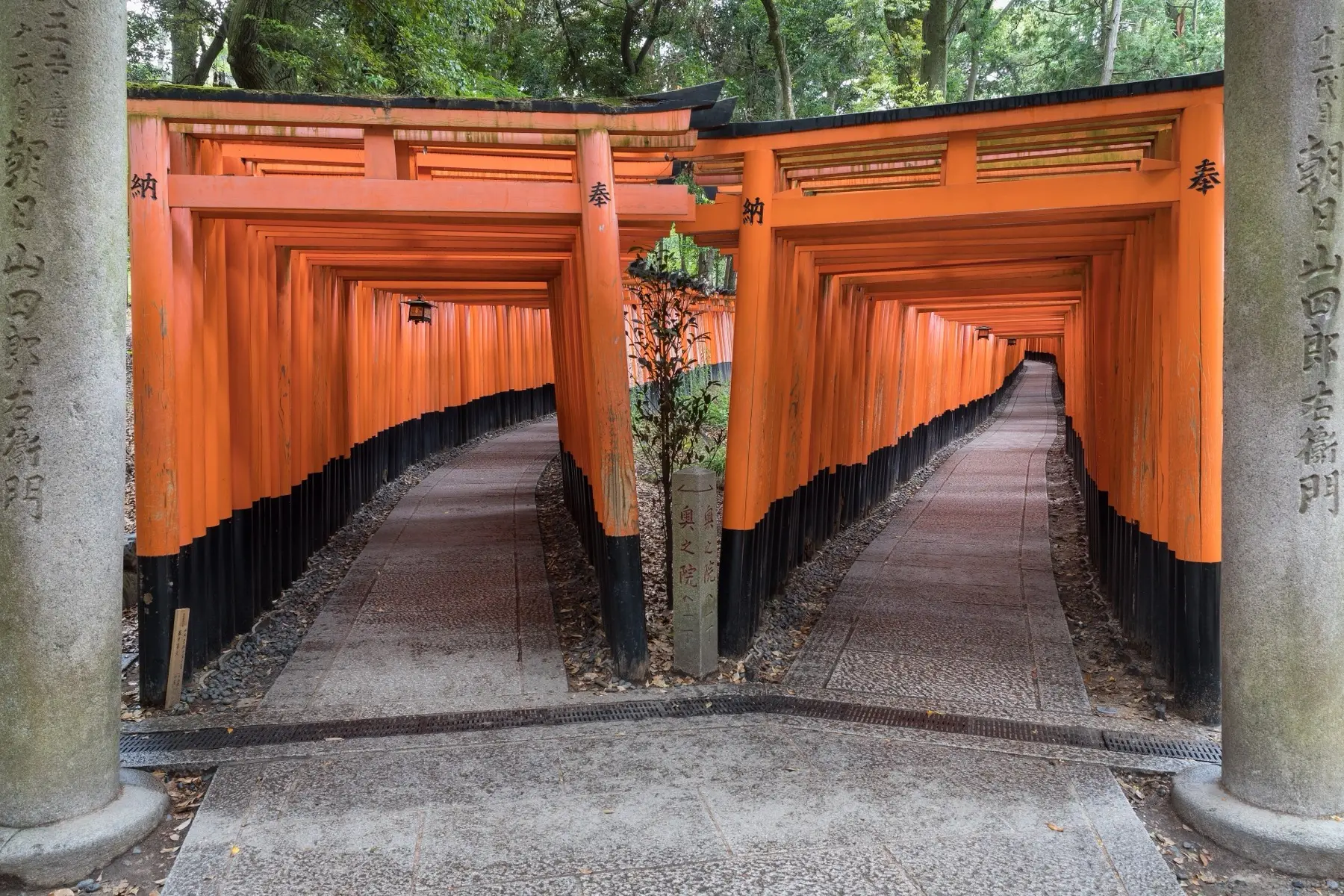
    We climb through the tunnels of red torii to the Yotsutsuji viewpoint, where most people turn back. Photos without the crowds.

  3. Kiyomizu-dera

    The wooden stage over the hillside, built without a single nail. We walk down the stone slopes of Sannenzaka and Ninenzaka.

  4. Lunch in Higashiyama

    Tofu, soba or a noodle set in a wooden house. If you need halal or vegetarian food, I choose the place with that in mind.

  5. Gion and Hanamikoji

    The teahouse district, Yasaka Shrine and the Shirakawa canal, the most photographed corner of Kyoto.

  6. Kinkaku-ji, the Golden Pavilion

    Taxi or bus up to the north. In the afternoon light the gold is reflected in the pond. It closes at 17:00.

  7. Back to Osaka

    I put you on the right train, or we travel back together to your hotel.

Food

Kyoto is about tofu, vegetables and noodles. There are halal-certified ramen and restaurants near Gion.

Good to know

There is a lot of walking and plenty of steps: wear comfortable shoes. In autumn (November) and cherry blossom season (April) we start even earlier.

Full day¥58,000per group

I want this day
Next: Osaka on foot, eating ↓

02 / 10

Osaka on foot, eating

Starts at your hotel

The city of food. The castle in the morning, the market at lunchtime and the neon of Dōtonbori as night falls.

The day

  1. Your hotel

    I pick you up and we go by metro. Osaka makes more sense on foot and hungry.

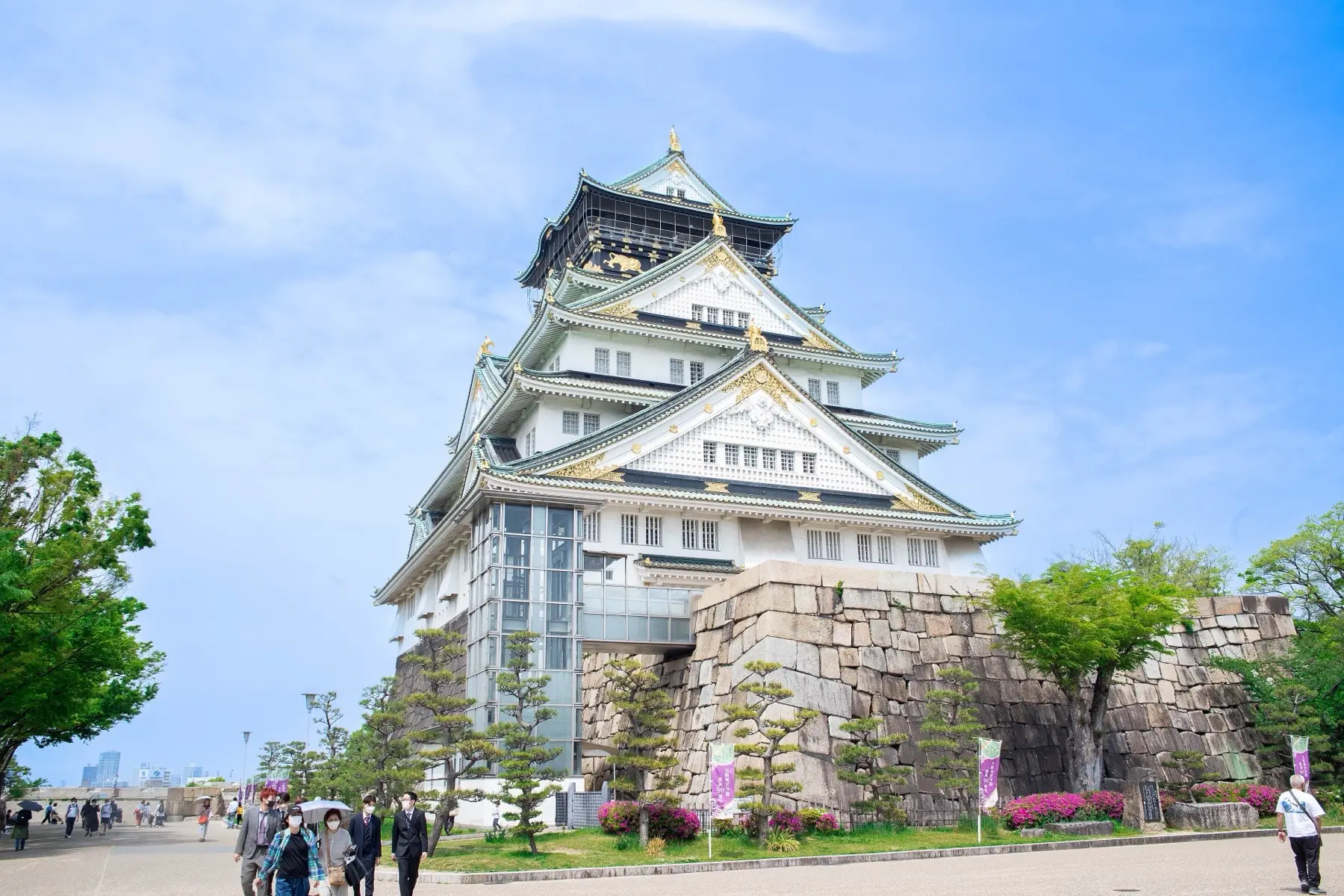
  2. Osaka Castle

    The moats and giant stone walls, the park and, if you like, the museum inside the keep with views from the top.

  3. Kuromon Market

    "Osaka's kitchen": seafood skewers, Japanese fruit, sweet omelette. You eat standing up, stall by stall.

  4. Shinsekai

    The retro-feeling district under Tsūtenkaku Tower. Kushikatsu and old-fashioned games.

  5. Hōzen-ji

    A temple hidden in a stone alley between restaurants, with a statue covered in moss.

  6. Dōtonbori

    The canal and the giant illuminated signs. Freshly made takoyaki and a walk along the river as the lights come on.

  7. End of the day

    I drop you at your hotel or at the restaurant you have chosen for dinner.

Food

Takoyaki, okonomiyaki and seafood. For halal, there are certified restaurants in Namba; I'll tell you which.

Good to know

The day you eat the most: come hungry. On Sundays and public holidays Dōtonbori is packed; weekdays are better.

Full day¥58,000per group

I want this day
Next: Nara and its deer ↓

03 / 10

Nara and its deer

≈ 40 min by train from Osaka

Japan's first capital: deer roaming the park, the great bronze Buddha and a thousand stone lanterns in the forest.

The day

  1. Your hotel in Osaka

    I pick you up and we take the Kintetsu train, which stops five minutes from the park.

  2. Kōfuku-ji

    The five-storey pagoda and the entrance to the park. This is where the deer start to appear.

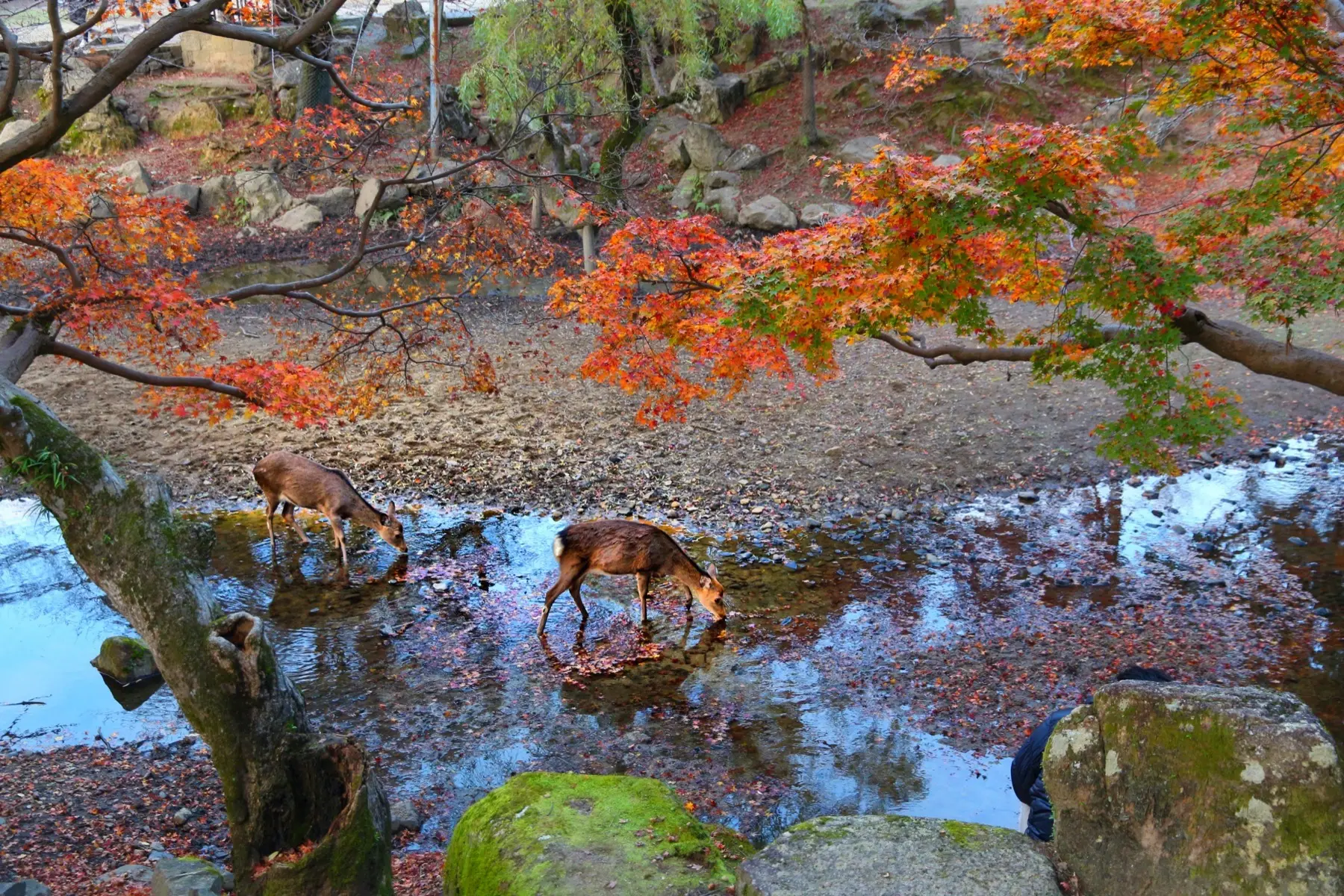
  3. Nara Park

    More than a thousand free-roaming deer that bow if you give them deer crackers. I'll show you how, so they don't chase you.

  4. Tōdai-ji

    The 15-metre Great Buddha inside one of the largest wooden buildings in the world. And the pillar with the hole to squeeze through.

  5. Lunch in Naramachi

    The old merchants' quarter. Noodles, kakinoha-zushi (sushi wrapped in persimmon leaf) or whatever you fancy.

  6. Kasuga Taisha

    The path of moss-covered stone lanterns among cedars, and the bronze lanterns hanging in the shrine.

  7. Isui-en Garden and back

    A Japanese garden with Mount Wakakusa behind it (closed on Tuesdays). Then the train back.

Food

Nara is easy for food: noodles, persimmon-leaf sushi and tea sweets. Vegetarian options are no problem.

Good to know

The deer nibble clothes if you hide crackers: give them all out or show your empty hands. Great with children.

Full day¥58,000per group

I want this day
Next: Himeji, the white castle ↓

04 / 10

Himeji, the white castle

≈ 1 h by rapid train from Osaka

Japan's best-preserved original castle, inside, floor by floor. Then its garden and a temple at the top of Mount Shosha.

The day

  1. Your hotel in Osaka

    I pick you up and we take the rapid train or the shinkansen, depending on the group's budget.

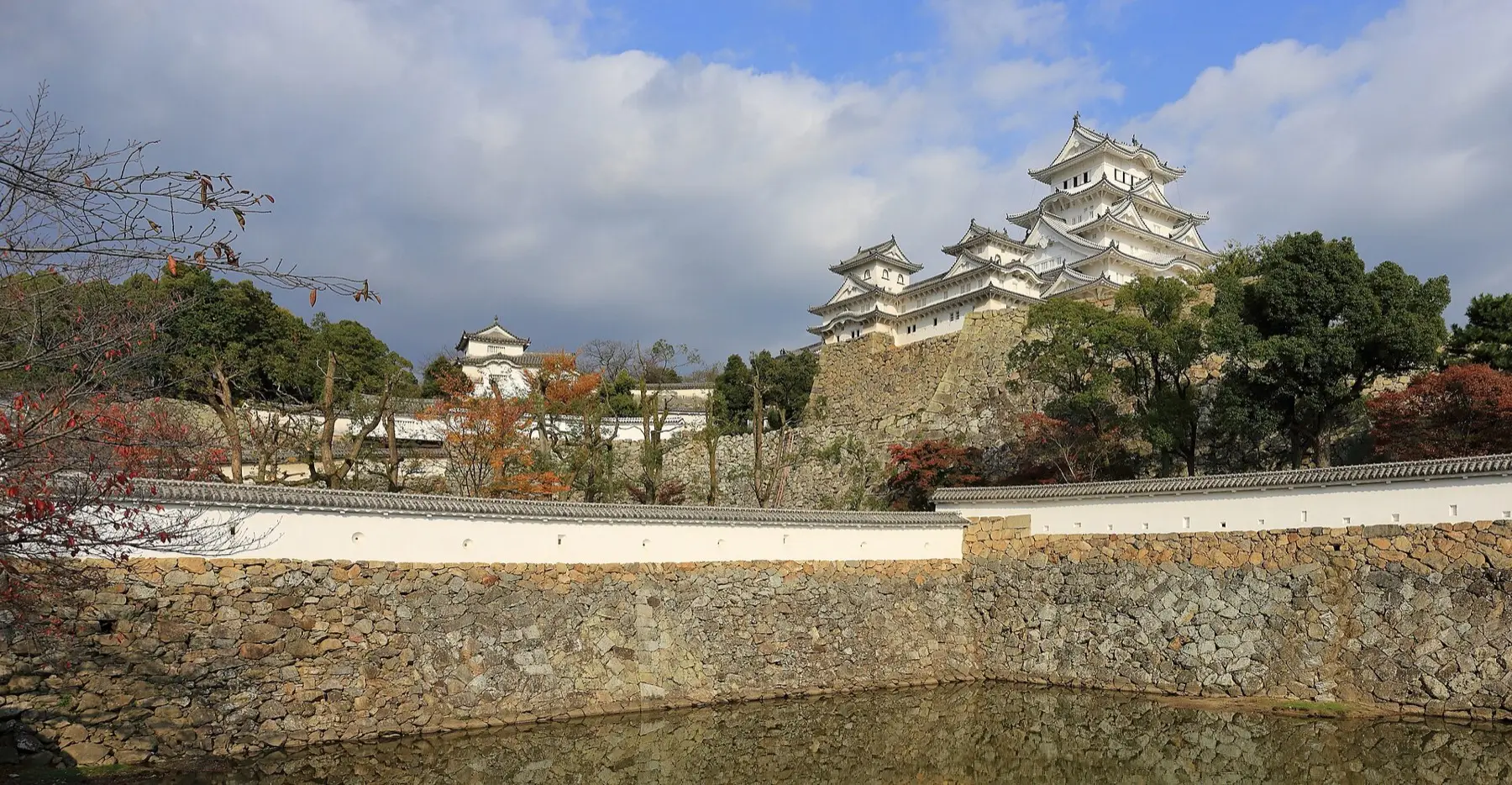
  2. Himeji Castle

    The "White Heron": we climb the six floors of original wood from 1609. I'll tell you how it was defended and where the archers hid.

  3. Kōko-en Garden

    Nine gardens at the foot of the castle, with carp ponds and a teahouse.

  4. Lunch in Himeji

    Anago (conger eel) or the local oden with ginger sauce. There are places with pork-free options.

  5. Engyō-ji, Mount Shosha

    Ropeway and forest up to a thousand-year-old wooden monastery on the mountain, where "The Last Samurai" was filmed.

  6. Back to Osaka

    Or a stop in Kobe to see the harbour lit up, if you still have the energy.

  7. Arrival at the hotel

    I leave you in the lobby.

Food

Himeji is about conger eel and oden. I'll tell you which dishes contain pork or pork stock.

Good to know

Inside the castle you go shoeless and the stairs are very steep: wear socks and avoid long skirts. It opens at 9:00.

Full day¥58,000per group

I want this day
Next: Kobe, harbour and mountain ↓

05 / 10

Kobe, harbour and mountain

≈ 25 min by train from Osaka

Japan's most open city: the country's oldest mosque, the foreign merchants' houses, Chinatown and the harbour.

The day

  1. Your hotel in Osaka

    I pick you up and we take the train to Sannomiya.

  2. Kobe Mosque

    Built in 1935, the oldest in Japan: it survived the war and the 1995 earthquake. It can be visited respectfully, outside prayer times.

  3. Kitano Ijinkan

    The 19th-century houses of European merchants on the hillside, with views over the bay.

  4. Nankinmachi

    Chinatown: steamed buns and street food to eat as you walk.

  5. Meriken Park

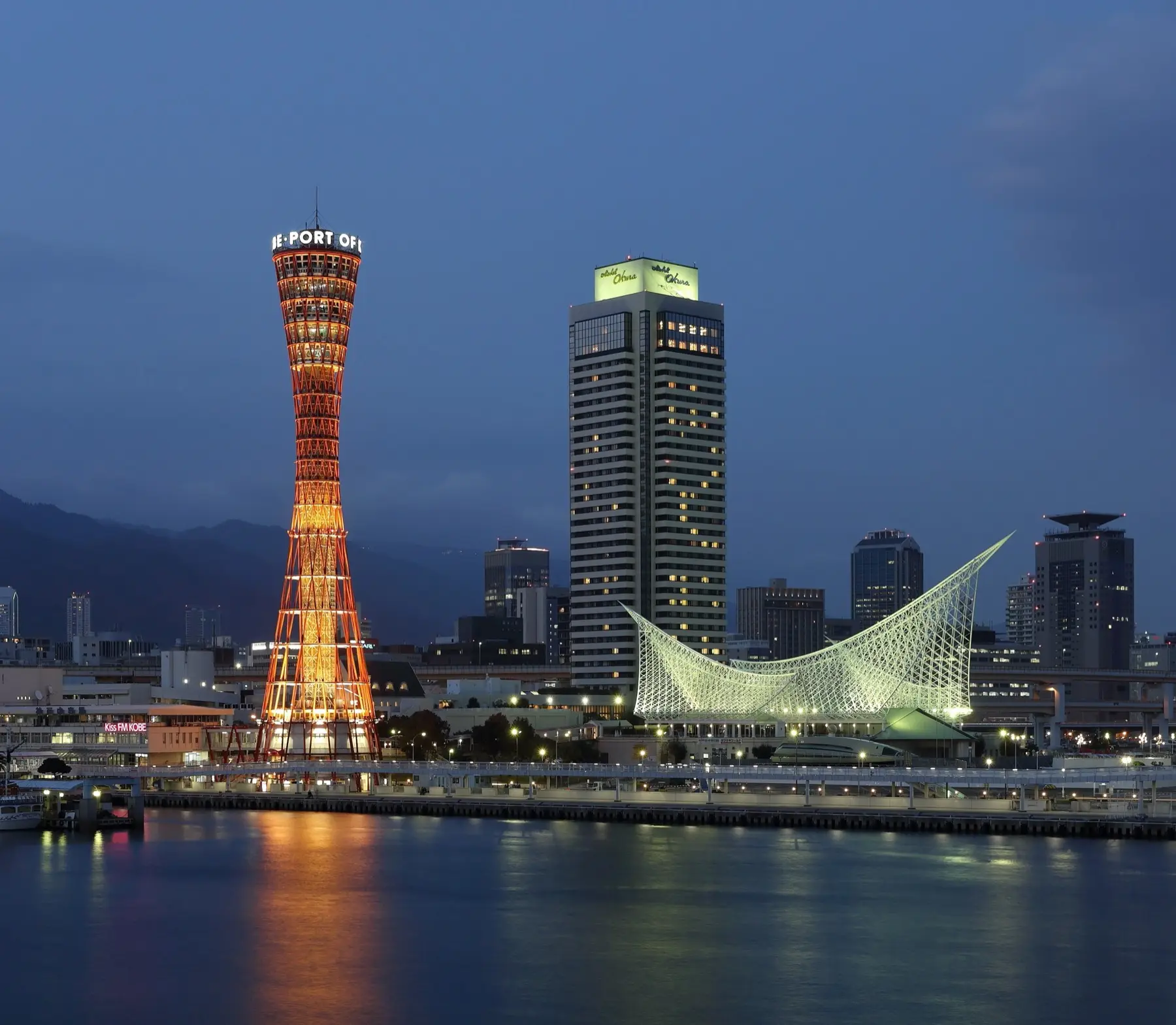
    The red port tower and the earthquake memorial, a section of the quay left exactly as it was in 1995.

  6. Harborland

    A walk along the waterfront at sunset with the city and the mountains behind.

  7. Shin-Kobe Ropeway

    Up to the Nunobiki Herb Gardens with the bay lit up at dusk. Then back to Osaka.

Food

There are restaurants serving halal-certified wagyu; I'll tell you which and you make the booking.

Good to know

For the mosque: shoulders and legs covered, and women with a headscarf (they lend them there).

Full day¥58,000per group

I want this day
Next: Hiroshima and Miyajima ↓

06 / 10

Hiroshima and Miyajima

≈ 1 h 25 min by shinkansen from Osaka

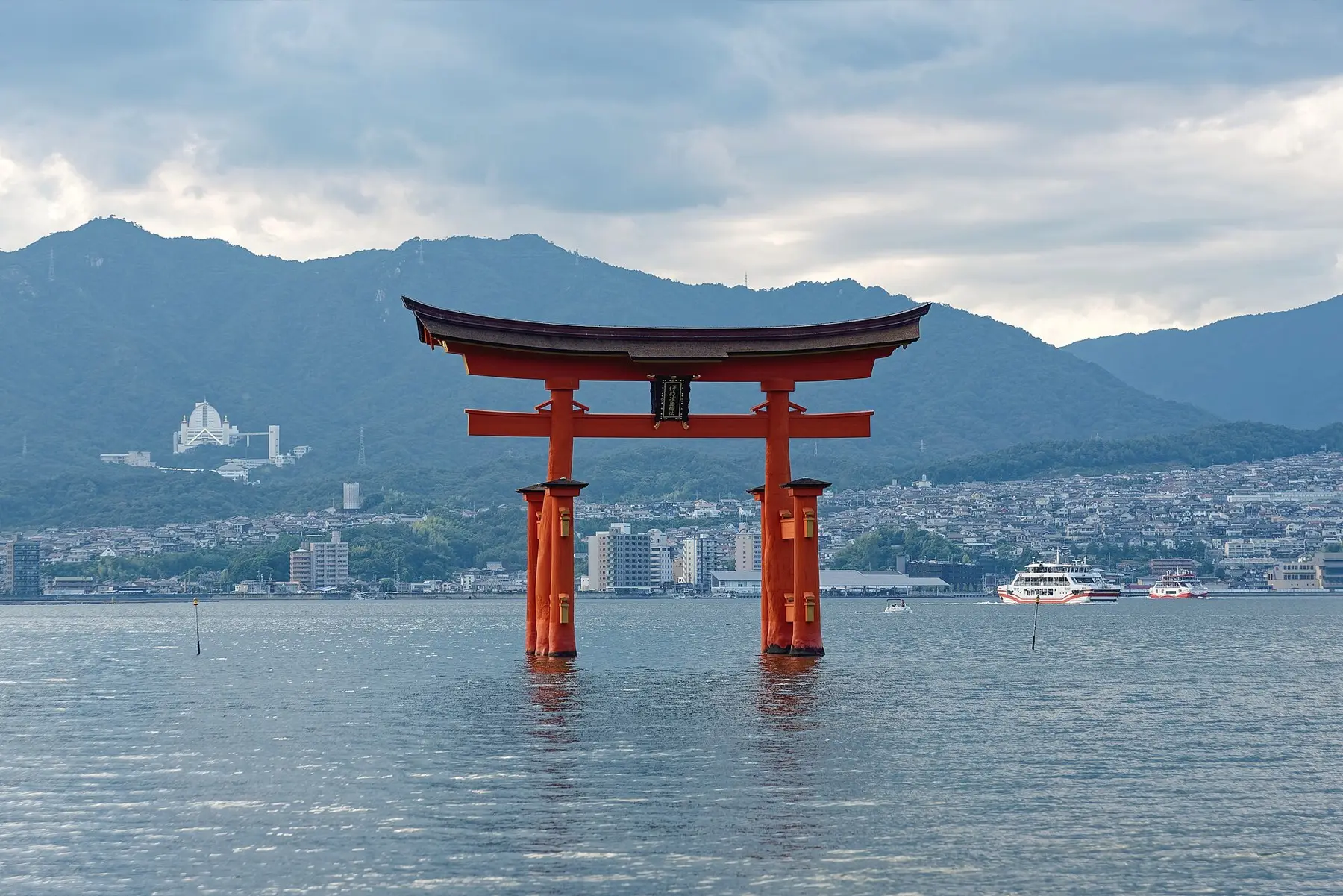
In the morning, the city that chose peace. In the afternoon, the sacred island of the torii that floats on the sea at high tide.

The day

  1. Shin-Osaka

    We meet at the station or at your hotel and take the shinkansen. I'll show you how to reserve seats.

  2. Peace Memorial Park

    The Atomic Bomb Dome, the cenotaph and the peace flame. Then the Memorial Museum: hard, but essential.

  3. Hiroshima okonomiyaki

    The local version, layered with noodles. We order it without pork if needed: it is cooked in front of you.

  4. Ferry to Miyajima

    Tram or train to the port and ten minutes on the ferry watching the great torii come closer.

  5. Itsukushima Shrine

    The shrine on stilts and the torii in the sea. At low tide you can walk to it; at high tide it floats.

  6. Omotesandō and deer

    The shopping street with momiji manjū (little cakes shaped like maple leaves) and the island's deer.

  7. Back

    Ferry and shinkansen back: in Osaka around 19:30.

Food

Okonomiyaki, Miyajima oysters and momiji manjū. Some places make it without pork or with halal certification; I check beforehand for the day.

Good to know

I check the tide table in advance and adjust the order so you see the torii at high water (or walk to it at low tide).

Full dayfrom ¥70,000per group

I want this day
Next: Mount Fuji from Hakone ↓

07 / 10

Mount Fuji from Hakone

≈ 1 h 30 min from Tokyo (or 2 days from Osaka)

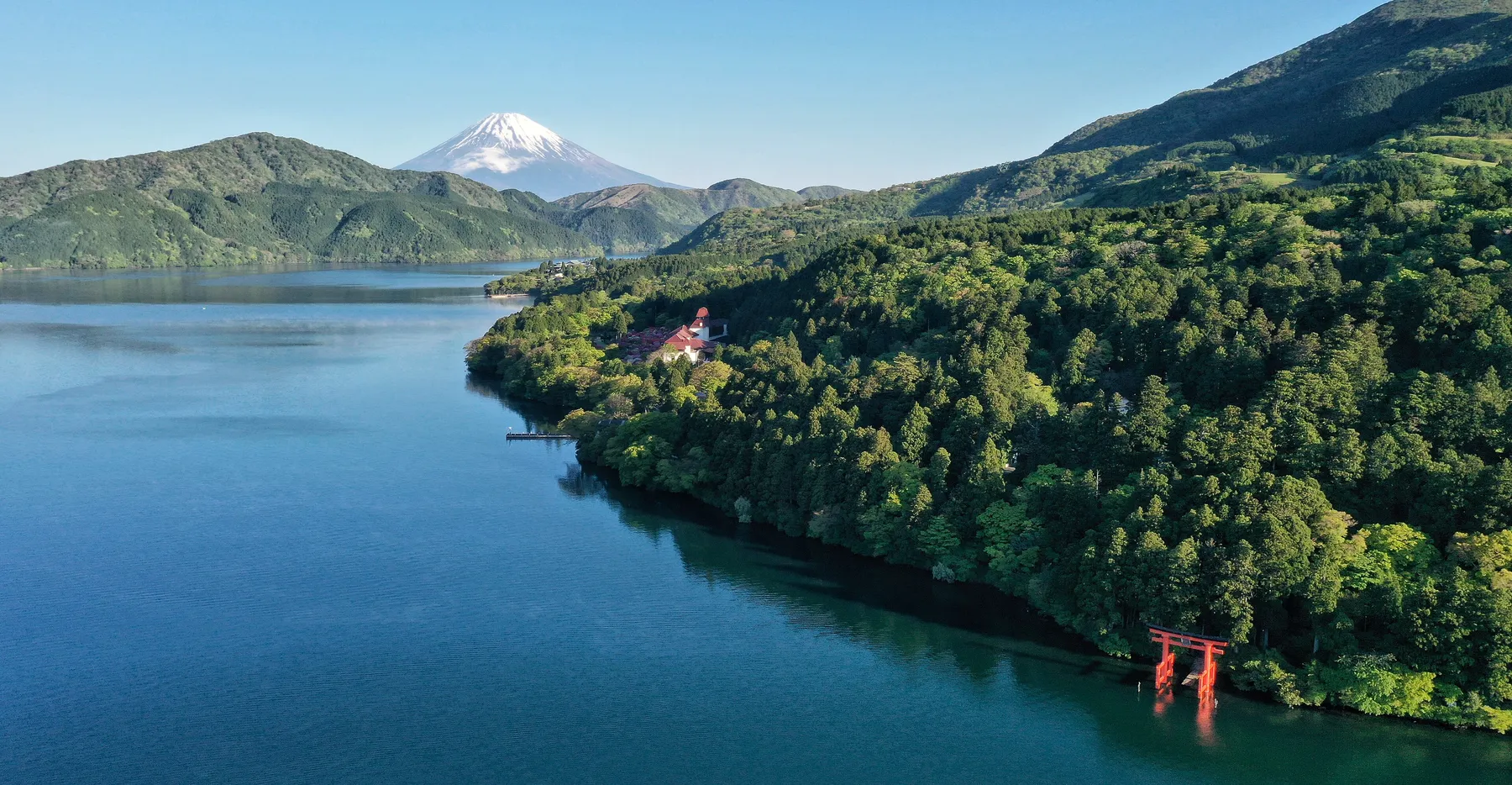
Volcano, lake and forest in one day: the steaming valley of Ōwakudani, a boat across Lake Ashi and the torii of Hakone Shrine with Fuji behind it.

The day

  1. Shinjuku, Tokyo

    I pick you up at your hotel in Tokyo and we take the Romancecar train to Hakone-Yumoto.

  2. Hakone mountain railway

    A small train that zigzags up the mountain (in June, among hydrangeas), then a cable car to Sōunzan.

  3. Ōwakudani

    Ropeway over the volcanic valley: steam vents, the smell of sulphur and black eggs boiled in the hot spring water. On a clear day, Fuji straight ahead.

  4. Lunch at Tōgendai

    On the lakeshore. There is curry, noodles and pork-free options.

  5. Boat across Lake Ashi

    About 40 minutes to Moto-Hakone, with Fuji reflected in the water on clear days.

  6. Hakone Shrine

    The red torii standing in the lake and the avenue of centuries-old cedars on the old Tōkaidō road.

  7. Back to Tokyo

    Bus and Romancecar back to Shinjuku, around 18:30.

Food

Simple mountain food: curry, soba and tofu. I'll tell you if a broth contains pork.

Good to know

Fuji is shy: it shows best in winter and in the morning. If volcanic gas is high they close the ropeway and we change the order.

Full dayfrom ¥70,000per group + the guide's ticket there, included in the fixed quote

I want this day
Next: Tokyo in a day ↓

08 / 10

Tokyo in a day

≈ 2 h 30 min by shinkansen from Osaka

From old Tokyo to the Tokyo of screens: Asakusa in the morning, the Meiji forest, Harajuku and the Shibuya crossing at dusk.

The day

  1. Tsukiji Outer Market

    Market breakfast: sweet omelette, fruit, seafood. I pick you up at your hotel in Tokyo.

  2. Sensō-ji, Asakusa

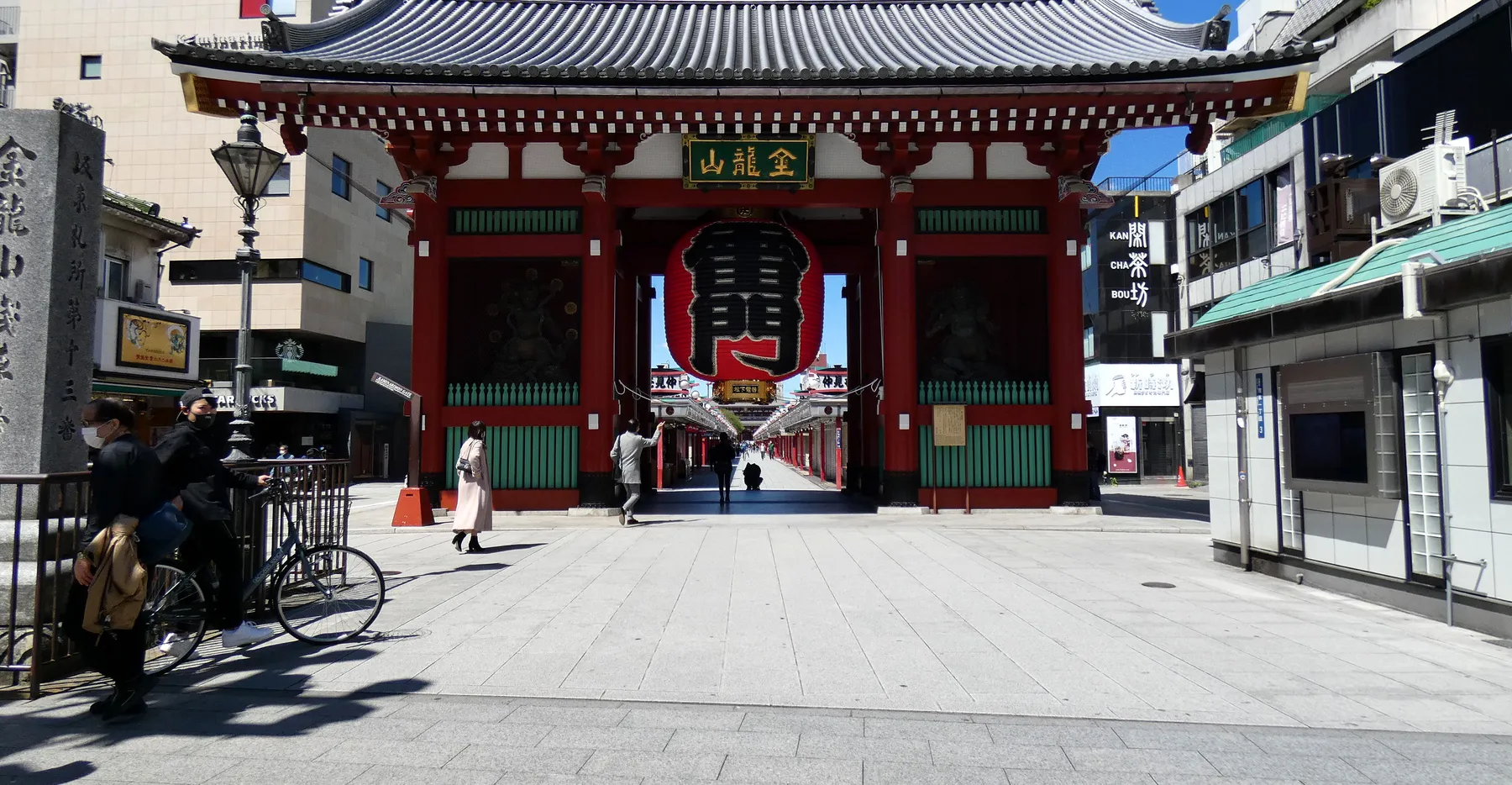
    The Kaminarimon gate with its giant lantern, Nakamise street and the oldest temple in Tokyo.

  3. Lunch

    Tempura, noodles or sushi. If you need halal, Asakusa is one of the areas of Tokyo with the most certified restaurants.

  4. Meiji Jingū

    A forest of around 100,000 trees in the middle of the city and the great wooden torii.

  5. Harajuku and Omotesandō

    Takeshita Street, youth fashion and the architect-designed shops of Omotesandō.

  6. Tokyo Camii

    Optional: Japan's largest mosque, in Ottoman style, ten minutes from Shibuya.

  7. Shibuya

    The world's most famous crossing as the lights come on, and the statue of Hachikō.

Food

Tokyo has everything. For halal, Asakusa and Shibuya; vegetarian options are easy too.

Good to know

For Tokyo it's best if you stay there: I travel to your hotel and the guide's ticket goes into the quote.

Full dayfrom ¥70,000per group + the guide's ticket there, included in the fixed quote

I want this day
Next: Nagano and the snow monkeys ↓

09 / 10

Nagano and the snow monkeys

≈ 1 h 20 min from Tokyo (or 3 h from Osaka)

A temple almost 1,400 years old with a pitch-dark corridor under the altar, and the macaques that bathe in hot springs in the middle of the forest.

The day

  1. Your hotel

    I pick you up and we take the shinkansen to Nagano.

  2. Zenkō-ji

    The temple that welcomes everyone. We go down into the completely dark corridor under the altar to feel our way to "the key to paradise".

  3. Shinshu soba

    Nagano is buckwheat-noodle country. There is a vegetarian version of the broth.

  4. On the way to Jigokudani

    Train and bus to Yudanaka, then a thirty-minute walk along a flat path among cedars.

  5. Jigokudani Snow Monkey Park

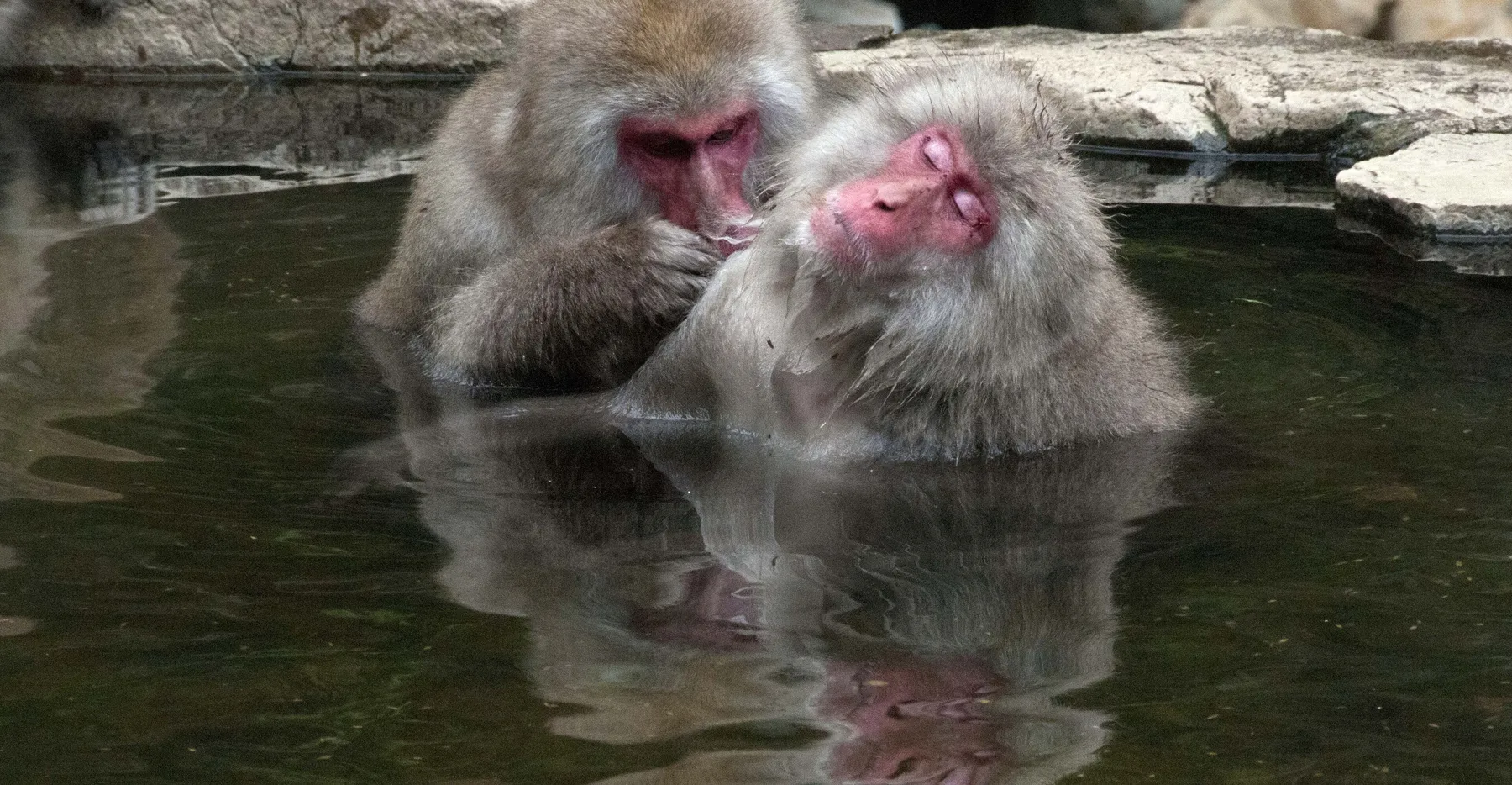
    Japanese macaques bathe in the hot spring and groom each other a metre away from you. No touching and no staring.

  6. Shibu Onsen

    A bathing village with Edo-period wooden streets and lanterns at dusk.

  7. Back

    Bus and shinkansen back to your hotel.

Food

Soba, mountain vegetables and oyaki (stuffed buns). Easy for vegetarians.

Good to know

The monkeys are in the water mainly from December to March, with snow. In summer they are there but bathe less. In winter, boots with grip.

Full dayfrom ¥70,000per group + the guide's ticket there, included in the fixed quote

I want this day
Next: Fukuoka and Dazaifu ↓

10 / 10

Fukuoka and Dazaifu

≈ 2 h 30 min by shinkansen from Osaka

Japan's gateway to Asia: shrines from the samurai era, the lake in Ōhori Park and the riverside food stalls at night.

The day

  1. Shin-Osaka

    We meet at the station, or at your hotel in Fukuoka if you are staying there.

  2. Kushida Shrine

    Hakata's shrine, with the giant floats of the Yamakasa festival on display all year.

  3. Dazaifu Tenmangū

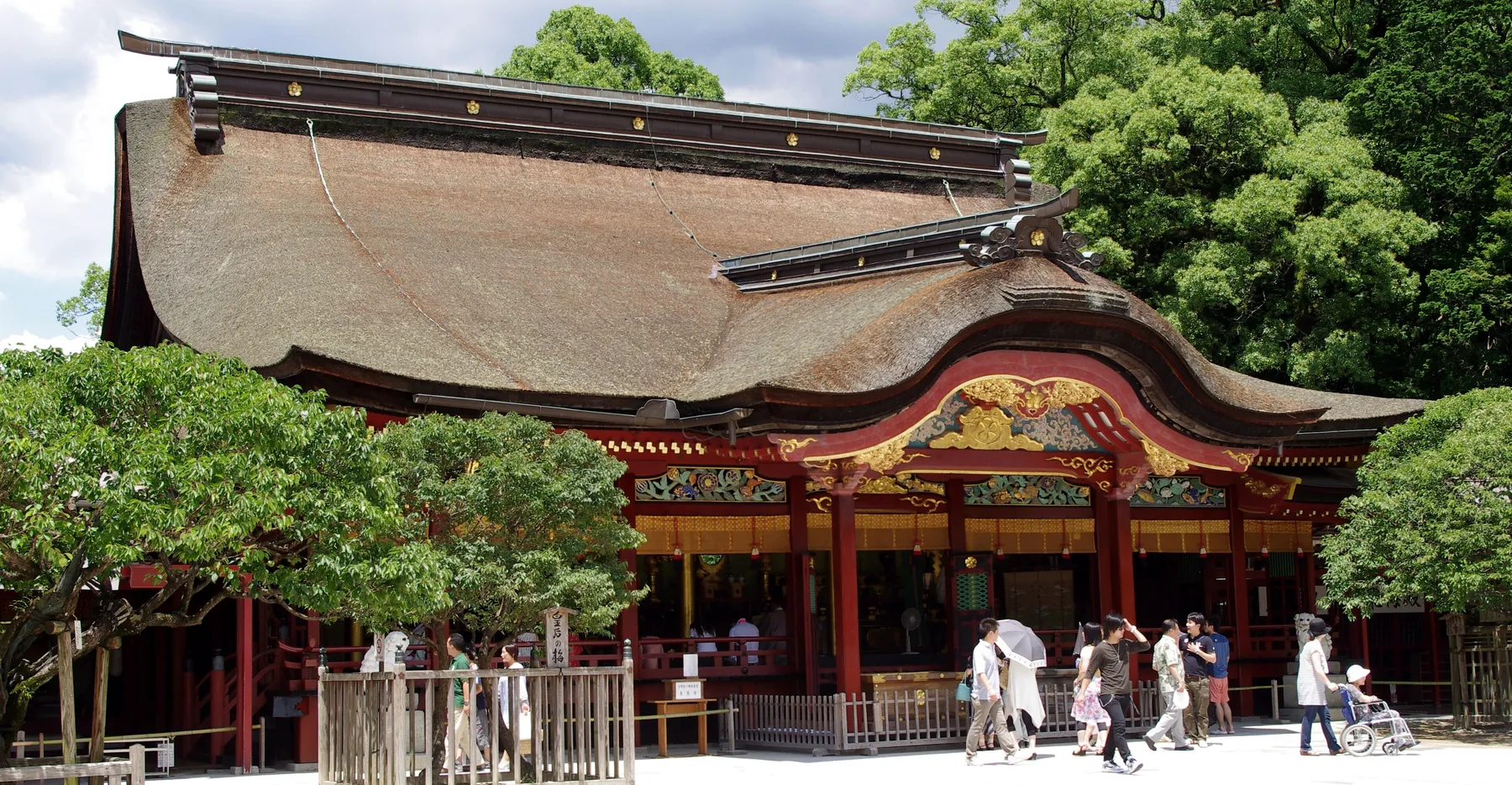
    Thirty minutes by train. The shrine of the god of learning, with its plum garden and shopping street.

  4. Lunch in Dazaifu

    Freshly made umegae-mochi (rice cake filled with sweet bean paste) and udon noodles.

  5. Ōhori Park and castle

    A walk around the lake and up onto the walls of the old Fukuoka Castle.

  6. Canal City and Nakasu

    The shopping centre with a canal running through it and, as night falls, the yatai: food stalls by the river.

  7. Back

    Shinkansen back to Osaka, or to your hotel in Fukuoka.

Food

Hakata ramen uses pork broth (tonkotsu); if you avoid it, I take you for halal or chicken ramen. At the yatai I ask for you.

Good to know

If you do Hiroshima and Fukuoka, ideally make it two days with a night in Fukuoka: we plan it together.

Full dayfrom ¥70,000per group + the guide's ticket there, included in the fixed quote

I want this day

You pay for entry tickets, trains and meals on the day; I tell you when and where.